

Locks
Closing checklist for a retail storefront: locks, glass and lighting
Most overnight incidents at a retail unit trace back to something that was already wrong at closing time and nobody was looking for.
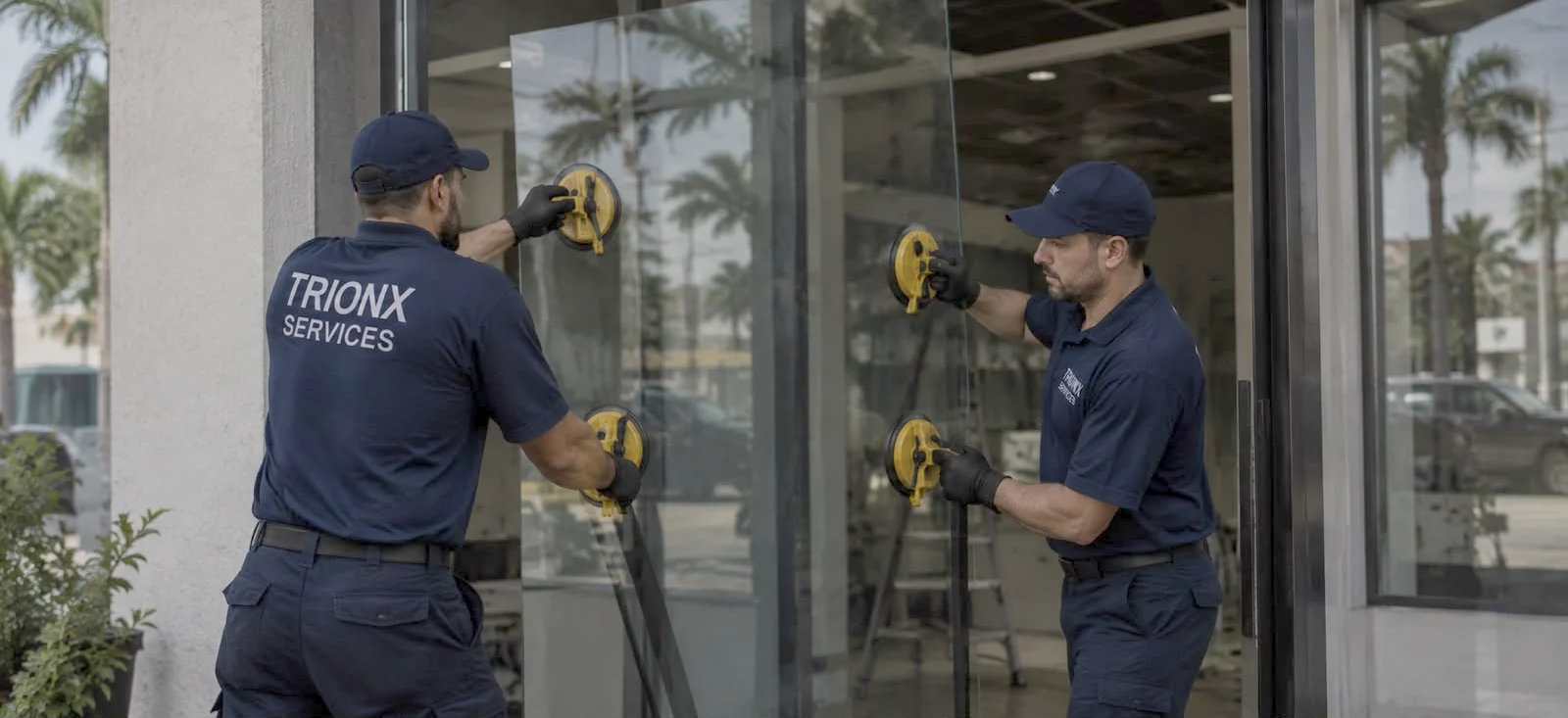
A closing routine is usually about cash and stock. The building gets a cursory look, and the things that actually cause an overnight problem are exactly the things a cursory look misses.
The routine below takes about five minutes once staff know it, and it is written to be handed to whoever is closing rather than to a facilities manager.
The nightly close
Every external door: shut it and pull it. Not look at it. Pull the handle hard enough to know the latch has engaged. A door that swings to and rests against the strike without latching looks shut from three feet away and is an open door.
Check the deadbolt actually threw. If the door is misaligned the bolt can be partially engaged, which feels locked from the inside and is not.
Look at the glass, whole frontage. Chips, a fresh crack, or a starred impact mark. A cracked pane deteriorates overnight and a chipped one is where a break-in starts. Report it the same evening rather than the next morning, because that is the difference between a scheduled repair and a board-up.
Nothing propping any door. Wedges, stock, a bin. This applies to fire doors and back doors especially, where staff prop them for airflow or convenience during the day and forget.
Exit routes clear. Nothing stacked in front of an exit inside, nothing blocking it outside.
Security lighting on. Walk out and look back at the unit. Dark frontages get tried, and a failed head is invisible from inside.
Stockroom and back door secured, which is the entry point that actually gets used far more often than the front.
Keys accounted for and off site, or in the cabinet if there is one. Keys left in a drawer at the unit are the most common way a set goes missing without anyone noticing for weeks.
Weekly
- Push every exit device once, flat-handed. One motion, door opens. Anything else is a fault.
- Open the main entrance door fully and let it go. It should close and latch under its own power without help.
- Check the entrance threshold and mat for lifting edges, which is the commonest slip and trip finding in retail.
- Walk the frontage lighting after dark, including window and display lamps
- Check the fitting room and stockroom locks operate, since those are used less and fail unnoticed
Monthly
- Test emergency and exit lighting and write down the result
- Look at every sealant joint around the shopfront at eye level, since a failed one lets water into the wall before anything shows inside
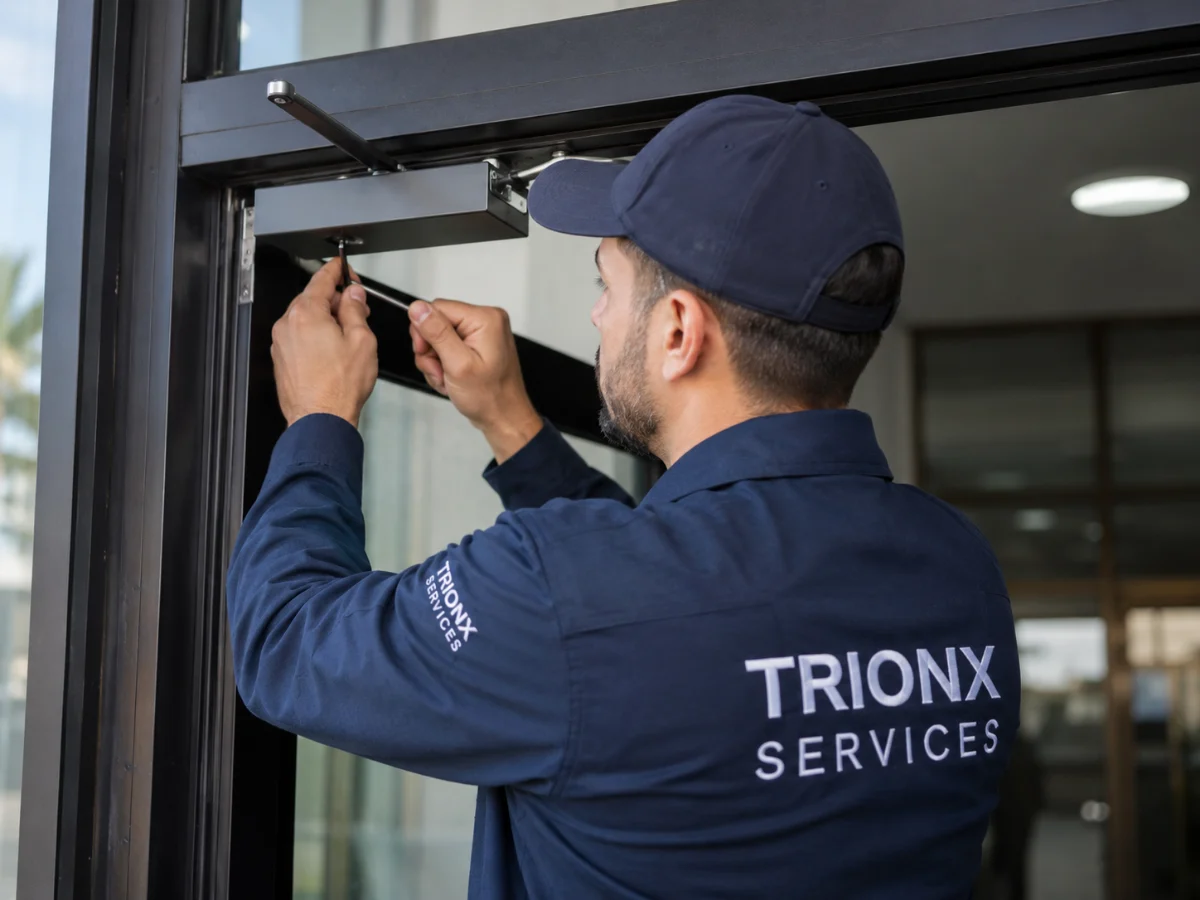
- Check door closer behaviour: does it slam, stick, or fail to latch at the last inch
- Reconcile the key register against who actually holds keys
- Photograph the frontage, which gives you a dated record of condition for any later damage claim
After any staff departure
Revoke electronic credentials and change keypad codes the same day, because both are immediate and free. Collect physical keys and reconcile them against the register. Then decide whether to rekey, which depends on whether the register accounts for everything and whether the keyway is restricted so copies could not have been cut freely.
Retail turnover is high, which is exactly why a restricted keyway usually pays for itself here faster than in any other property type.
The faults this catches
In our experience the recurring ones are a door that stopped latching weeks ago and everyone learned to pull harder, a back door propped during deliveries and left, a failed security light nobody reported because it is only visible from outside after closing, and a chipped pane that became a broken one.
All four are cheap to fix while they are still faults and expensive once they are incidents.
What to do when something fails at closing
If a door will not lock or glass is broken, the unit is not secure and it should not be left. Emergency board-up and lock work run around the clock for exactly this, because an unsecured retail unit overnight is a security and insurance exposure rather than a repair that waits for the morning.
Photograph it before anything is touched. That record supports both the insurance position and the repair scope.
Where we sit
Locks, rekeying, keypads and reader hardware, door hardware and closers, glass repair, re-glazing and emergency board-up are all performed by our own W-2 employees, and none of it requires a Florida contractor licence. Electrical work behind a security light or an access control system requires a licensed contractor at any job size, so that half is coordinated, and we say which is which when we quote.
Common questions
Questions we get asked about this
What should be on a retail nightly closing checklist?
Pull every external door to confirm the latch engaged, check the deadbolt threw fully, scan the glass for chips and cracks, remove anything propping a door, clear the exits, confirm security lighting is on from outside, secure the stockroom, and account for keys.
Why check the glass at closing rather than in the morning?
A cracked pane deteriorates overnight and a chipped one is where a break-in starts. Reporting it the same evening is the difference between a scheduled repair on your terms and an emergency board-up after the unit has been open to the street.
What should happen after a retail staff departure?
Revoke electronic credentials and change keypad codes the same day, since both are immediate and free. Collect keys and reconcile against the register. Then decide on rekeying, which depends on whether the register accounts for everything and whether the keyway is restricted.
What if a door will not lock at closing time?
The unit is not secure and should not be left. Emergency lock and board-up work runs around the clock for exactly this reason, because an unsecured retail unit overnight is a security and insurance exposure. Photograph it before anything is touched.

One company, whoever does the work
Our technicians handle the trades that need no state licence, and licensed contractors handle the ones that do. Either way we scope it, book the visit and file the record. Tell us the property and the problem and we will come back with a window.