

Facilities
Maintenance a Miami restaurant needs, month by month
A restaurant that only fixes what breaks pays the emergency rate every time. The alternative is a calendar, and in Miami the calendar is shaped by the weather.
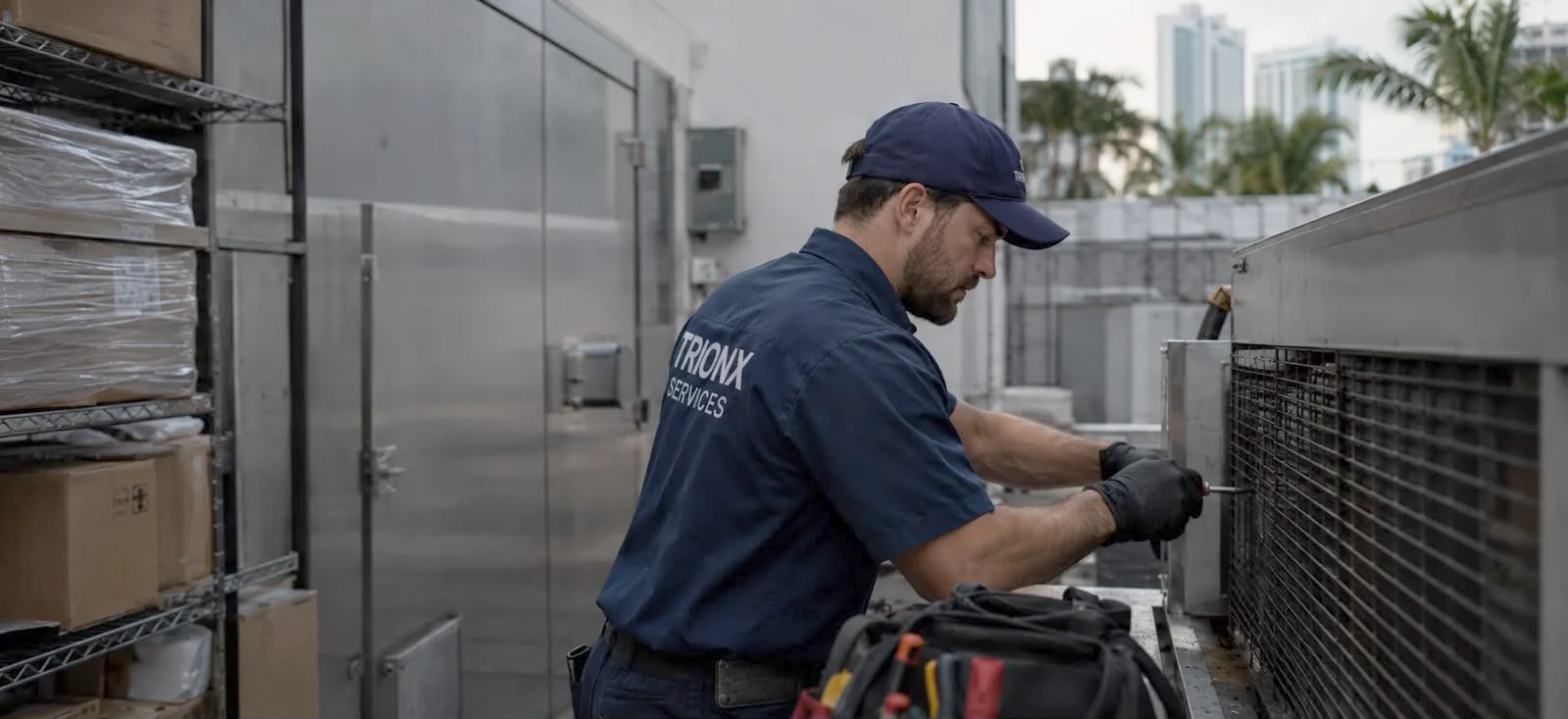
Restaurant maintenance gets treated as reactive because the operation leaves no room to think about it. The equipment runs, the room is full, and the only work that happens is the work that has to.
The way out is a calendar rather than a plan, because a calendar survives a busy month and a plan does not.
The shape of the year here
Three things set the rhythm in Miami. Hurricane season runs 1 June to 30 November. Heat and humidity peak from June to September, which is when refrigeration and air conditioning carry the most load and fail most. And the season is busiest roughly November to April, when you least want anything closed.
So the useful pattern is: heavy preventive work in spring before the heat, protective work in May before the season, light-touch through summer, recovery in autumn, and nothing invasive during the busy months.
Every month
- Walk-in and reach-in temperature logs, twice daily, with readings recorded rather than remembered
- Door gaskets on every cold unit, checked by hand for splits and closure
- Exit devices pushed once, flat-handed, and nothing added to any exit door
- Emergency and exit lighting checked and the result written down
- Grease trap serviced to whatever interval your local authority requires, with the record kept
- Hood filters cleaned on your schedule and the cleaning logged
March and April, before the heat
This is the window for anything that needs the kitchen quiet. It is also when a refrigeration contractor is easier to book than in July.
- Refrigeration service across walk-ins, reach-ins, prep tables and ice machines, coordinated through a licensed contractor
- Condenser coils cleaned, which is the single highest-value item on this list
- Air conditioning and make-up air service before the load arrives
- Back door and delivery door hardware, which takes the most abuse and is never reported
- Interior painting and finish repair in the dining room, done in the last quiet weeks
May, before the season
Short, protective, and worth doing properly.
- Photograph the whole property, inside and out, including rooftop equipment. This is what establishes pre-storm condition if a claim follows.
- Check and clear roof drainage, scuppers and gullies
- Sealant joints around windows, doors and any penetration, repaired before the rain rather than after
- Confirm the shutdown plan: who isolates what, and who holds the keys to do it
- Record model and serial numbers for every major item, so post-storm sourcing is not a scavenger hunt
June to September, the hard months
Assume something will fail and keep the response short rather than trying to prevent everything.
- Watch the temperature logs for drift rather than for breaches. A walk-in losing half a degree a week is telling you something before it fails.
- Check cold room doors first on any temperature problem, because a gasket, a hinge or a closer loses temperature exactly like a failing system and is fixed the same day
- Keep condenser coils clean, particularly after any storm, since a fouled coil is what turns a survivable event into a compressor failure six weeks later
- Nothing invasive in the dining room
October and November, recovery
- Post-storm inspection even if nothing appeared to happen, because the expensive failures are the delayed ones
- Exterior wash and any paint touch-up before the busy season
- Front of house repairs: door closers, glass, finishes, lighting, all the things a guest notices
- Rekey if there has been staff turnover over the summer, which there will have been
December to February, hands off
Only emergency work and anything genuinely invisible to guests. Book nothing that needs the dining room, and hold non-urgent items for March rather than squeezing them in.
The discipline of not doing work in these months is what makes the March window valuable, because everything accumulates there deliberately rather than randomly.
Who does which half
Refrigeration, plumbing including grease lines, HVAC and make-up air, and anything electrical all require a licensed contractor in Florida at any job size. We scope those, verify the licence and insurance, bring the contractor in and keep the record.
Exit and door hardware, back door repairs, rekeying, glass and board-up, tile, drywall, painting, sealing and relamping are performed by our own W-2 employees and need no Florida contractor licence. On a restaurant that is most of the monthly list and most of the recovery work, which is why it can move quickly.
Common questions
Questions we get asked about this
When should a Miami restaurant do its heavy maintenance?
March and April, before the heat arrives and while the season is quieting. Refrigeration contractors are easier to book than in July, the kitchen has more slack, and anything invasive in the dining room can happen before the busy months return in November.
What should be done in May before hurricane season?
Photograph the whole property including rooftop equipment, clear roof drainage and scuppers, repair sealant joints, confirm who isolates what in a shutdown, and record model and serial numbers. The photographs are what establish pre-storm condition if a claim follows.
My walk-in is drifting warm in July. What first?
Check the door before booking a refrigeration contractor. A worn gasket, a dropped hinge or a closer that no longer pulls the door shut loses temperature exactly like a failing system, and all of that is in-house work that can be done the same day.
Which restaurant work needs a licensed contractor?
Refrigeration, plumbing including grease lines, HVAC and make-up air, and anything electrical, all at any job size in Florida. Door and exit hardware, locks, glass, tile, drywall, painting, sealing and relamping are performed by our own employees and need no licence.
Keep reading
Related field notes
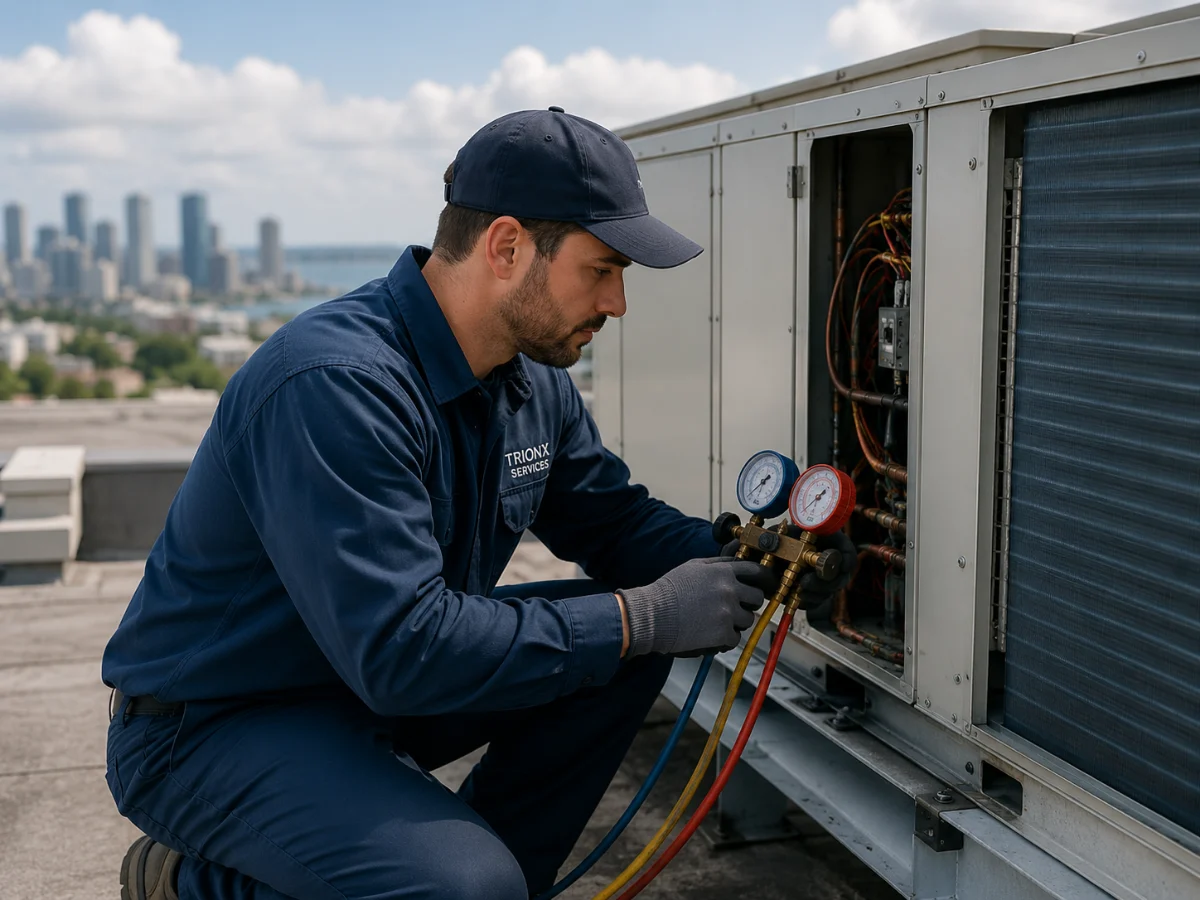
Why your restaurant kitchen is too hot, and what make-up air has to do with it

Condo common elements: association or unit owner

How after-hours and emergency rates are structured
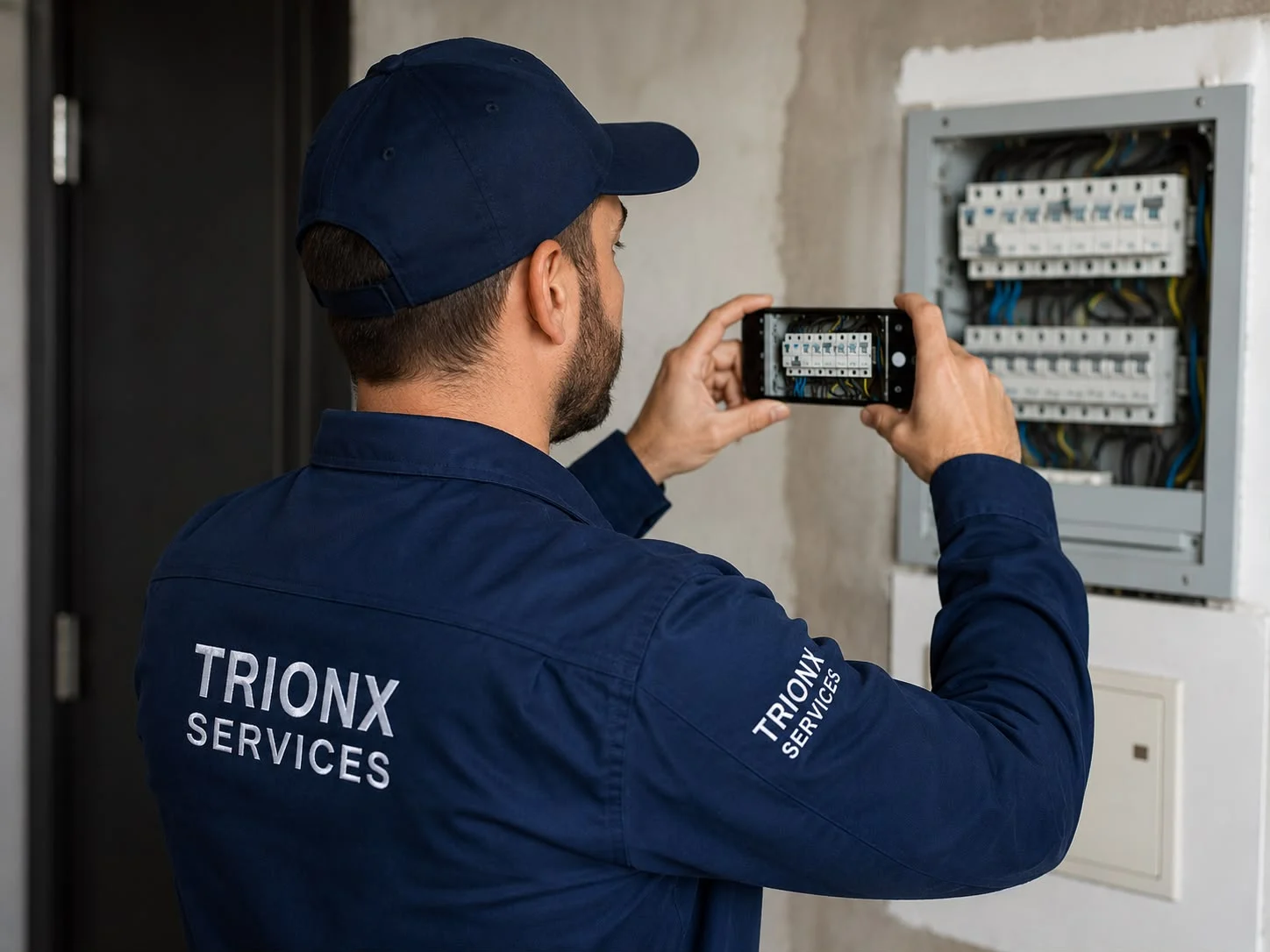
The quarterly walk: what to check on a commercial property
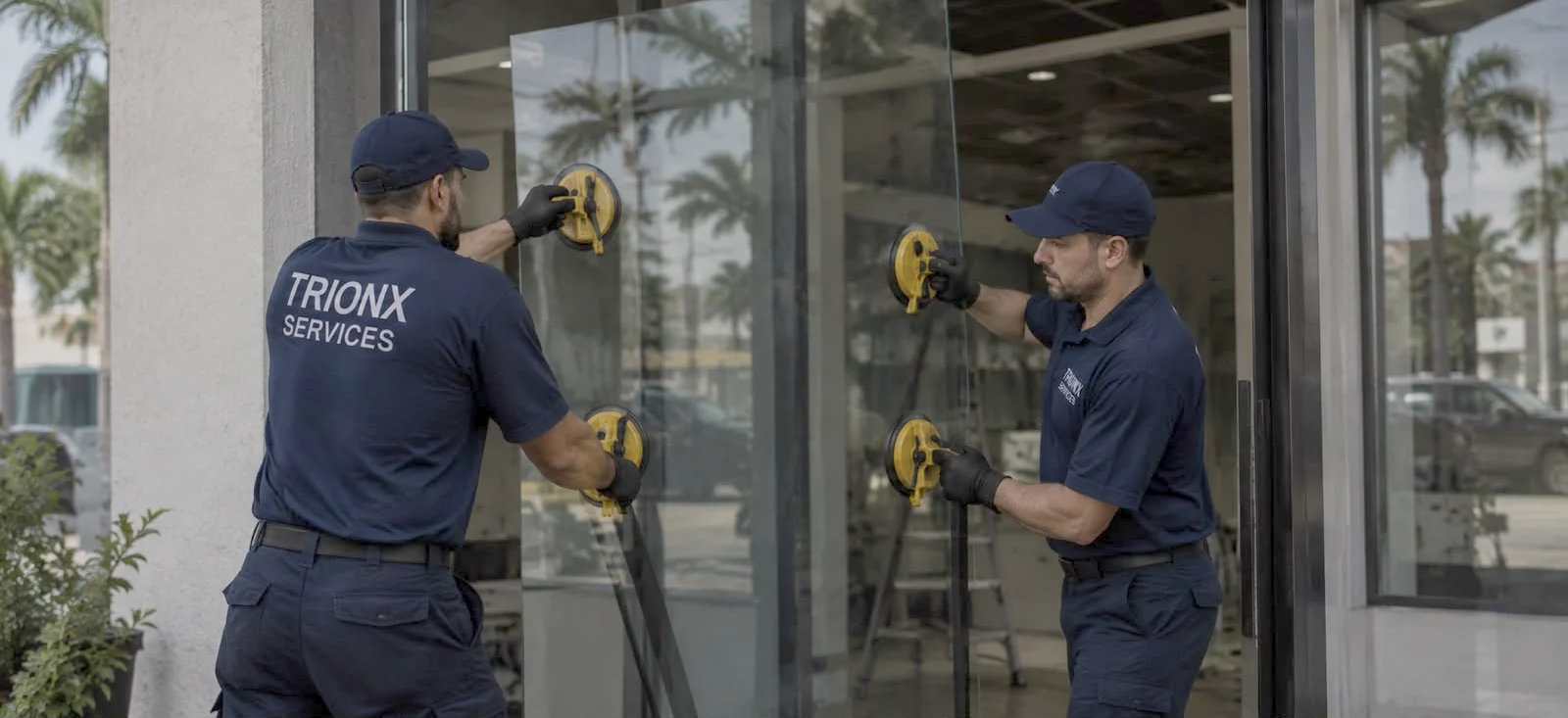
Closing checklist for a retail storefront: locks, glass and lighting
One company, whoever does the work
Our technicians handle the trades that need no state licence, and licensed contractors handle the ones that do. Either way we scope it, book the visit and file the record. Tell us the property and the problem and we will come back with a window.