
Facilities
How after-hours and emergency rates are structured
Emergency rates look arbitrary until you see what they are made of. Agreeing the structure in advance is what stops the first invoice being an argument.
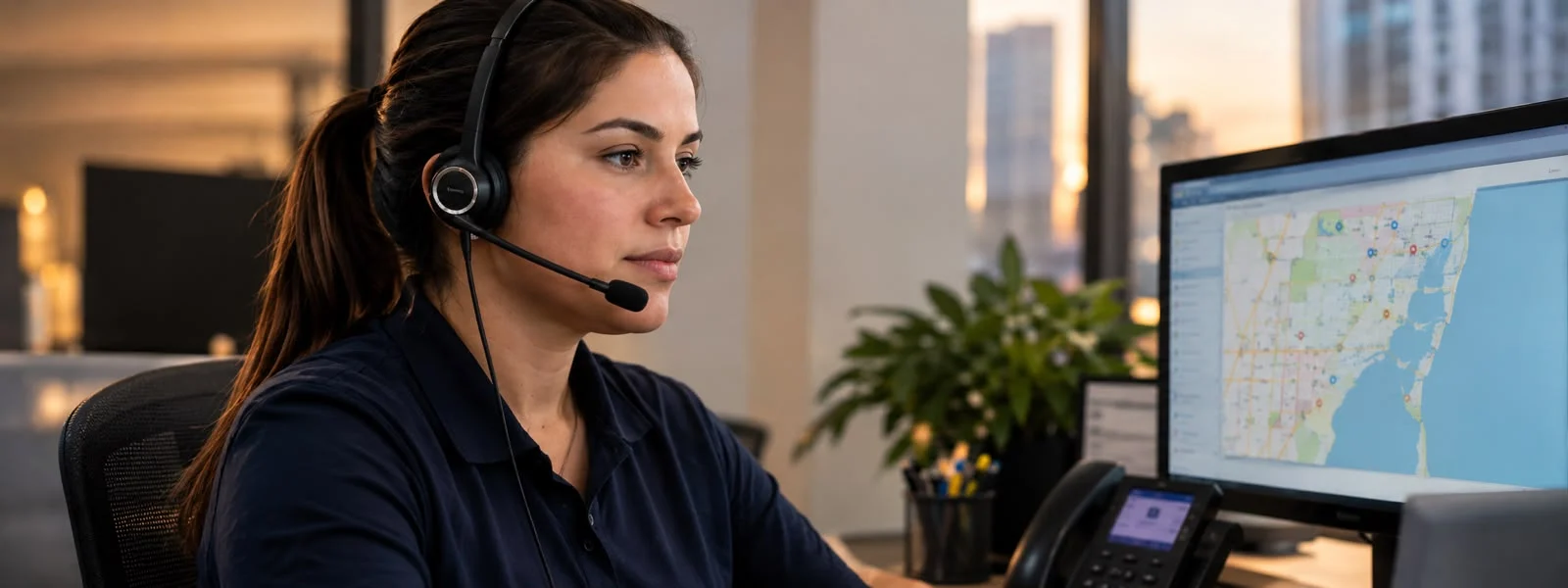
Almost every commercial maintenance dispute we hear about started with an out-of-hours invoice nobody had agreed the shape of beforehand. The numbers themselves are usually defensible. The surprise is the problem.
The components
An emergency invoice is normally built from four things, and separating them is what makes it checkable.
The call-out or trip charge. A fixed amount for attending, covering travel and vehicle time. Legitimate and normal. The things to check are whether it was disclosed before dispatch, and whether it is waived or credited when the work proceeds.
Labour, at a rate tied to the time of day. Usually a standard rate, an after-hours rate and sometimes a holiday rate. The multiplier is the negotiable part, and it should be stated as a rate rather than described vaguely as a premium.
A minimum charge. Most after-hours work carries a minimum, commonly two hours. Somebody left home at midnight for this, and the minimum is what makes that viable. It is normal and it should be stated.
Parts and materials, at whatever markup was agreed. At two in the morning nothing is open, so parts frequently come from van stock at a different price than a scheduled job would carry.
What actually drives the cost
Understanding this makes the negotiation sensible rather than adversarial.
Somebody has to be reachable and willing to attend. That standby capacity costs money whether or not anyone calls. A vendor with genuine round-the-clock cover is paying for it continuously, and a vendor whose emergency number goes to voicemail is not, which is the difference the rate reflects.
Then there is the response itself: travel at an hour with no traffic but also no support, no supplier open, and often no site contact to explain anything.
The second point is why scoping matters. A well-described fault means the technician brings the right part. A vague one means a diagnostic visit and a return, and you pay a call-out twice.
What to agree in advance
- The hours each rate applies to, defined precisely. Does after-hours start at 5pm or 6pm, and what happens on Saturday morning?
- The multiplier or the rate itself, in writing.
- The minimum charge and whether it applies if the fault is resolved in ten minutes.
- Whether the trip charge is credited against the work when it proceeds.
- The definition of an emergency, which is worth writing down because it prevents both under-response and over-charging.
- The approval threshold. How much can be spent without reaching you, given that at 2am you may not answer.
- Parts markup, and whether van stock is priced differently.
The approval threshold is the one that saves the most argument. A standing authority to make safe up to an agreed figure without contacting anyone means the technician can secure the building rather than waiting for a call to be answered.
Make safe, then repair
Most emergencies split into two jobs. Making safe stops the damage or secures the building: isolating a leak, boarding a broken opening, securing a door that will not lock. Repair happens afterwards on a normal schedule at a normal rate.
A vendor attempting a full repair at 3am is often doing you a disservice, because parts availability is bad, working conditions are worse and the price is at its highest. Making safe properly and returning at nine is usually cheaper and better work.
Agreeing that as the default approach is worth doing at onboarding.
What should appear on the invoice
Arrival and departure times, rather than an hours figure alone. The rate applied and the hours it applied to. The trip charge shown separately. Parts identified by what they are. A description matching the closeout report. The work order reference.
With those, the invoice can be checked against the closeout in about a minute. Without them it can only be accepted or disputed as a whole.
Reducing how often you need it
The cheapest emergency is the one that did not happen, and a large share of out-of-hours calls were visible in advance. A door that stopped latching weeks ago becomes an unsecured building. A cold room gasket that has been split for a month becomes a stock loss on a Friday night. A quarterly walk and a maintenance schedule catch most of that.
The second lever is the scoping quality when something does happen. Describing the fault properly, and having model and serial numbers to hand, is often the difference between one visit and two.
How we run it
Emergency dispatch runs 24 hours a day on the same number. Locks, doors and hardware, glass and board-up, and the making-safe work around a failure are performed by our own W-2 employees, which is why they can move quickly and why no contractor licence is required for them.
Where the emergency is electrical, plumbing, HVAC or refrigeration, Florida requires a licensed contractor at any job size. We scope the fault so the contractor arrives knowing what they are attending, verify their licence and insurance, arrange access, and keep the record. The rate structure and the approval threshold are agreed at onboarding rather than at the moment of the call.
Common questions
Questions we get asked about this
What makes up an after-hours maintenance invoice?
Four things: a call-out or trip charge for attending, labour at a rate tied to the time of day, a minimum charge which is commonly two hours, and parts. Separating them is what makes the invoice checkable rather than something you accept or dispute as a whole.
Is a minimum charge on emergency work reasonable?
Yes, and it is standard. Somebody left home at midnight to attend, and the minimum is what makes round-the-clock cover viable. What matters is that it was stated in advance rather than appearing for the first time on the invoice.
Should a vendor attempt a full repair at 3am?
Usually not. Parts availability is poor, conditions are worse and the rate is at its highest. Making safe properly, then returning on a normal schedule at a normal rate, is generally cheaper and better work. Agree that as the default at onboarding.
What is an approval threshold and why does it matter?
A standing authority to spend up to an agreed figure without contacting you. At two in the morning you may not answer the phone, and a threshold lets the technician secure the building or stop the damage rather than waiting, which is where the real cost accumulates.
Keep reading
Related field notes
Vendor onboarding: the COI, W-9 and licence packet, item by item

What a COI is, and why your building keeps asking for one
Choosing a facility maintenance vendor: questions worth asking
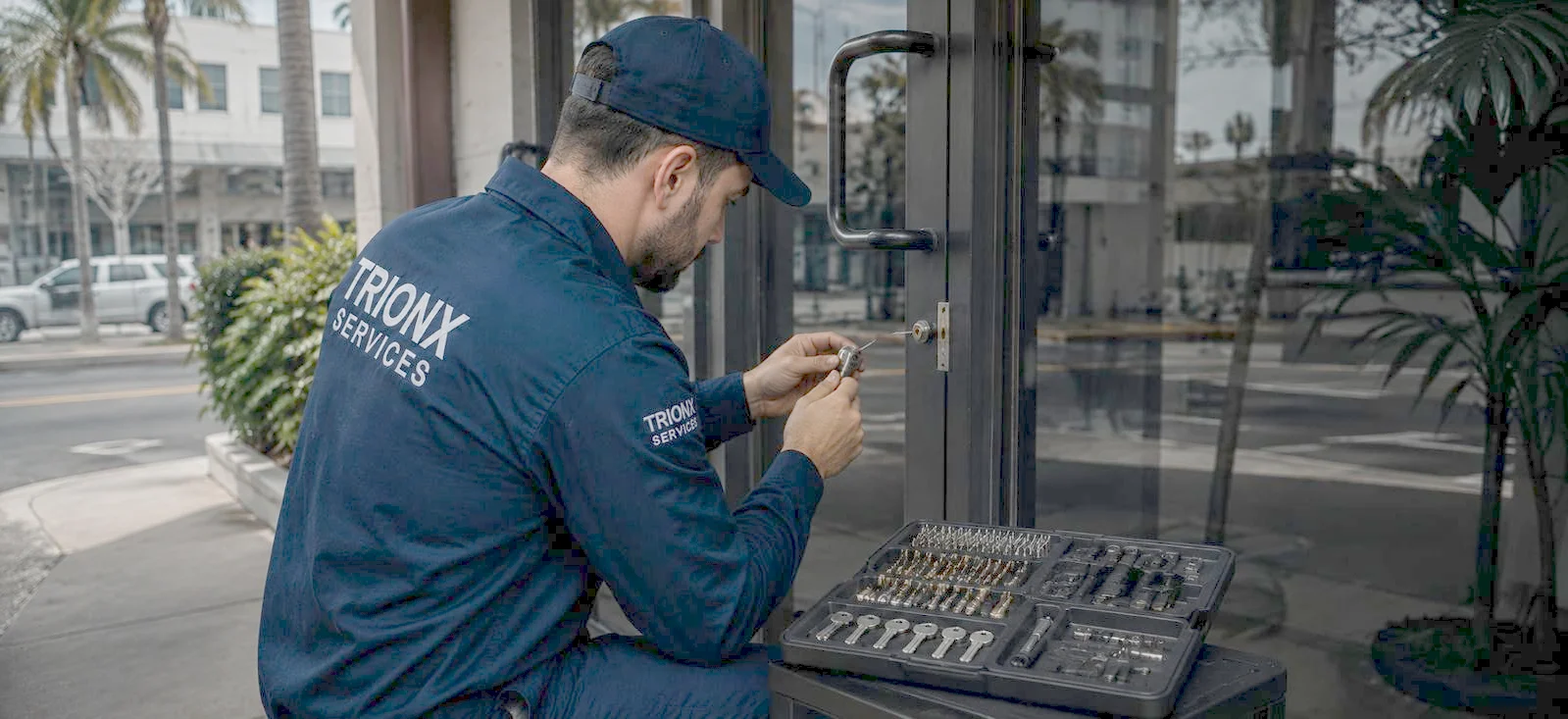
Card readers, keypads or keys: choosing access control
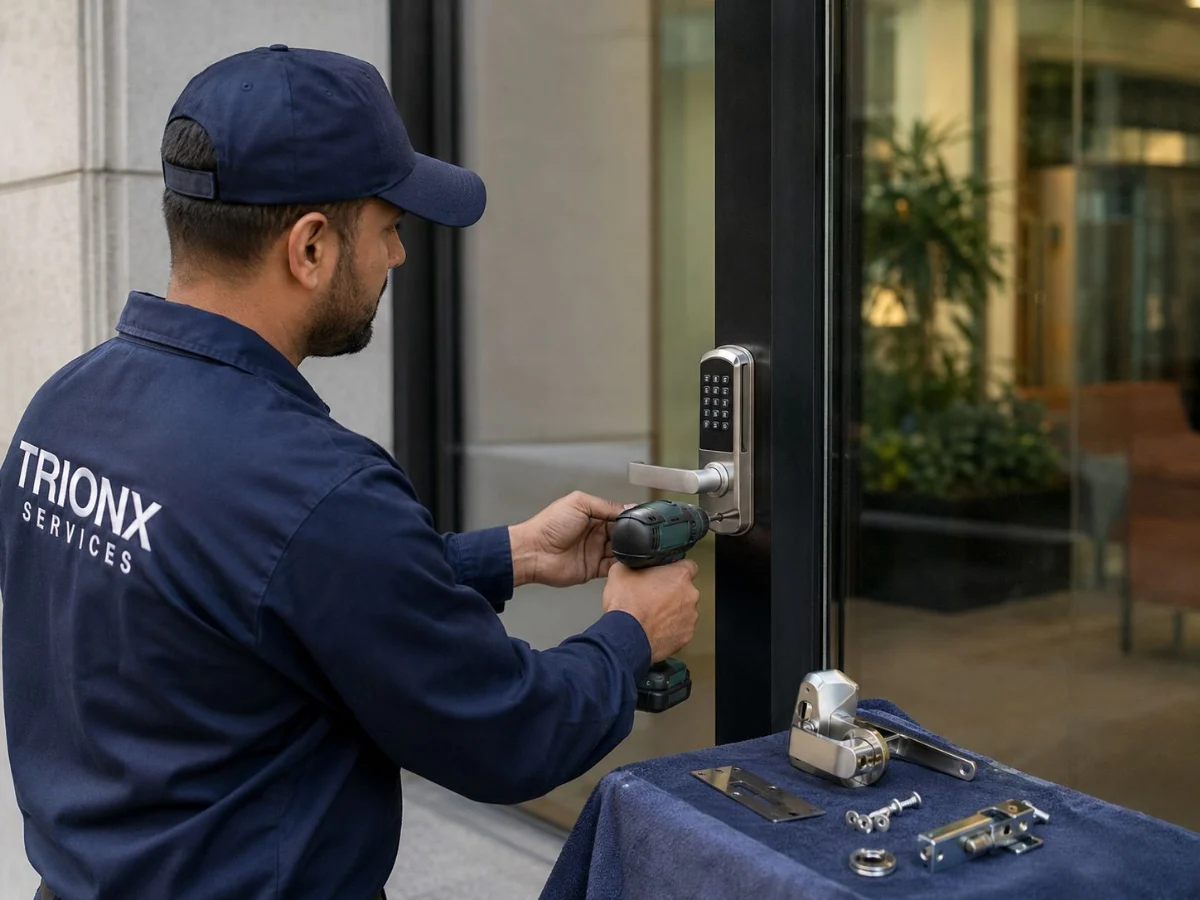
Fail-safe or fail-secure: what your electric strike does in a power cut
One company, whoever does the work
Our technicians handle the trades that need no state licence, and licensed contractors handle the ones that do. Either way we scope it, book the visit and file the record. Tell us the property and the problem and we will come back with a window.