
Facilities
The quarterly walk: what to check on a commercial property
Most emergency call-outs were visible for weeks. The walk that would have caught them takes about ninety minutes and almost nobody does it.
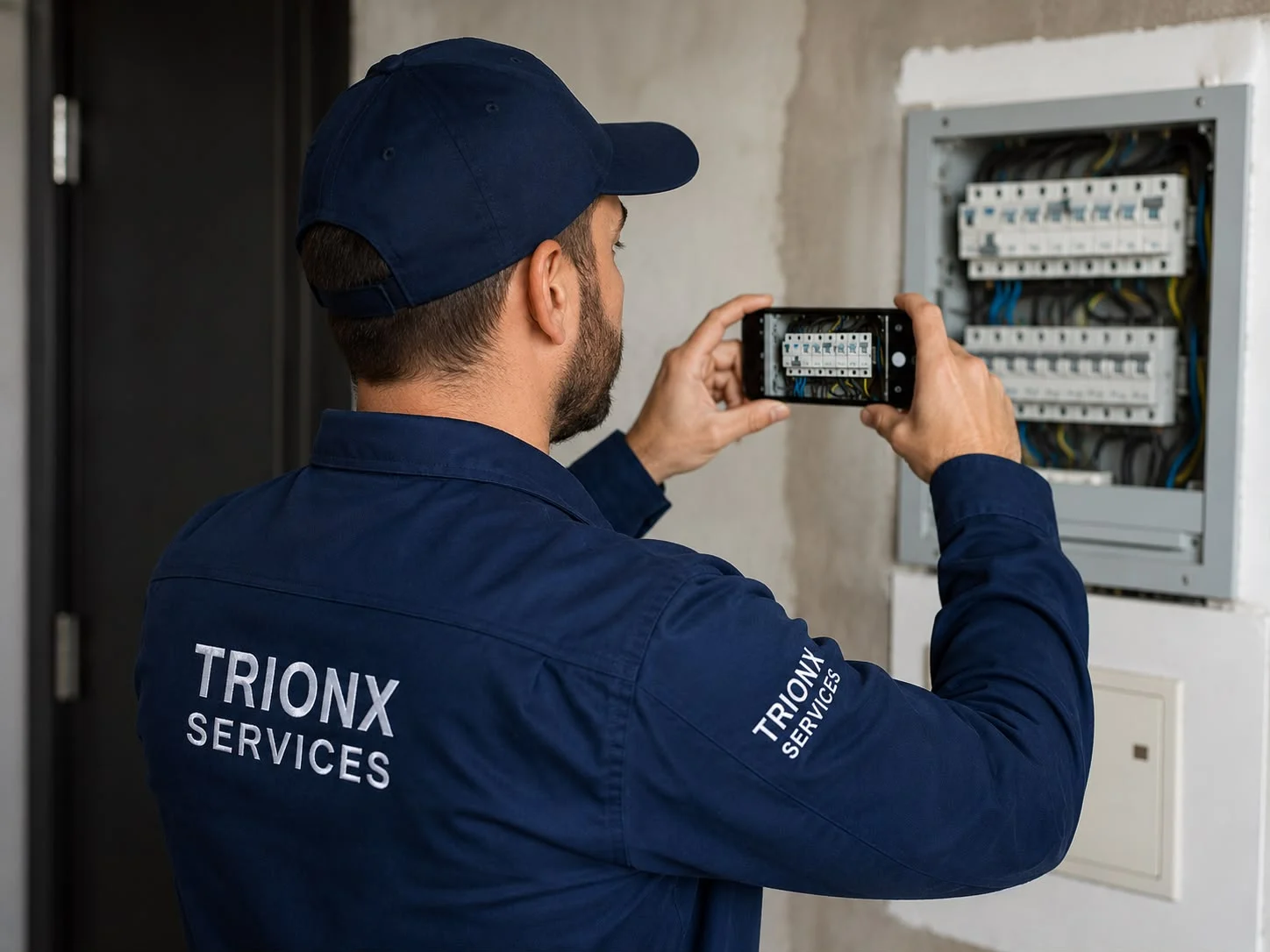
Preventive maintenance programmes fail because they are too ambitious. A quarterly walk is the version that survives, because it needs no specialist, no equipment beyond a phone, and one person for a morning.
Its purpose is not to fix anything. It is to convert unknown condition into a written list, which is the thing that lets you budget instead of react.
Do it in a fixed order
The order matters because it makes the walk repeatable and comparable quarter to quarter. Outside first, then the envelope, then circulation, then back of house, then plant.
Outside: approach and grounds
- Paving and walkway condition, particularly trip hazards at joints and thresholds
- Line markings, accessible bay markings and signage legibility
- Lot and exterior lighting, checked after dark separately or by looking for obviously failed heads
- Bin store condition, gate hardware and whether it latches
- Fencing, gates, keypads and whether the pedestrian gate closes properly
- Drainage: gullies, channels and anything visibly blocked
- Vegetation touching the building, which holds moisture against it
The envelope
- Sealant joints around windows and doors, checked by eye and thumbnail at ground level
- Paint condition by elevation, noting chalking, fading and any blistering
- Stucco cracking, and tap-testing anywhere that looks suspect
- Staining below windows, copings and penetrations, which indicates water tracking
- Metalwork: railings, stairs, frames and fixings, especially near the coast
- Visible roof edge, parapet and any downpipe discharging where it should not
Entrances and circulation
This section catches more than any other, because it is where the building gets used hardest.
- Every entrance door: open it, let it go, and watch whether it closes and latches under its own power. This single test catches the majority of door faults.
- Opening force on accessible entrances, by feel at minimum and with a gauge if you have one
- Glazing: chips, cracks, failed sealed units showing fogging
- Floor finishes at entrances, matting condition and any lifting edge
- Corridor and stairwell lighting, including any lamp out
- Ceiling tiles: missing, damaged, or stained, and note where stains are
- Wall damage at trolley and equipment height
Exits and life safety
Short, and the most important part of the walk.
- Push every exit device once, flat-handed. It should release in one motion.
- Check nothing has been added to any exit door: chains, padlocks, bolts
- Check nothing is stacked in front of an exit, inside or outside
- Fire doors close and latch fully from any angle, and nothing is wedging them
- Exit signage present and illuminated
- Emergency lighting test where your regime provides for it, and record the result
Back of house and wet areas
- Restrooms: fixtures, sealant, tile, doors and locks, extract running
- Any sign of water: staining, damp smell, efflorescence on masonry
- Stockrooms and stores: shelving condition and anything overloaded
- Cleaner stores and chemical storage tidy and secured
- Every lock off the main circulation, since these are the ones that fail unnoticed
Plant and service areas
Looking, not touching. Nothing in this section involves opening a panel.
- Plant room doors secured, and access controlled
- Visible leaks or staining beneath equipment
- Condensate lines discharging where they should
- Panel doors closed and clearly labelled, with clear access in front of them
- Roof access secured, and the hatch or ladder in safe condition
What to write down
For each item: where it is, what you saw, a photograph, and a priority group. Safety and compliance first, then tenant impact, then presentation. A vendor can price directly from that structure, so the walk output becomes the punch list with no rewriting.
Also note the things that were fine. A walk recording only faults cannot show that a condition was checked and sound, and that record is what supports a claim or answers a diligence question later.
Compare against last quarter
The comparison is where the value is. A crack that was there last time and is the same is a monitoring item. The same crack visibly longer is a different conversation. A stain that reappeared after repair means the source was never fixed.
Keeping the walks in the same order, with the same headings, is what makes that comparison possible in a few minutes.
What we do with it
We carry out this walk on properties we maintain and hand over the written record. Most of what it finds is in-house work for us: doors, locks, hardware, glass, drywall, tile, painting, sealant and relamping, none of which requires a Florida contractor licence.
Items that need electrical, plumbing, HVAC or roofing attention are flagged as coordinated in the same document rather than quietly folded in, so you can see which budget each one comes from before you approve anything.
Common questions
Questions we get asked about this
How long should a commercial property inspection walk take?
About ninety minutes on a mid-sized property, done quarterly by one person with a phone. It needs no specialist and no equipment. Its purpose is not to fix anything but to convert unknown condition into a written list you can budget from.
What order should a property walk follow?
Outside and grounds, then the envelope, then entrances and circulation, then exits and life safety, then back of house, then plant. A fixed order makes the walk repeatable and comparable quarter to quarter, which is where most of the value sits.
What is the single most useful check on the walk?
Open every entrance door, let it go, and watch whether it closes and latches under its own power. That one test catches the majority of door faults, and an unlatched door is a security exposure and, on a rated assembly, a life safety failure.
Should the walk record things that were fine?
Yes. A record listing only faults cannot demonstrate that a condition was checked and found sound, and that evidence is what supports an insurance claim or answers a diligence question later. Note the date, the item and the observation either way.
Keep reading
Related field notes

Writing a punch list a vendor can actually price
Choosing a facility maintenance vendor: questions worth asking
Walk-in temperature logs: what to record, and what it tells you
Working out LED retrofit payback on Florida commercial property
Grease traps in a Miami commercial kitchen: what fails and why
One company, whoever does the work
Our technicians handle the trades that need no state licence, and licensed contractors handle the ones that do. Either way we scope it, book the visit and file the record. Tell us the property and the problem and we will come back with a window.