
Facilities
Vendor onboarding: the COI, W-9 and licence packet, item by item
Vendor onboarding is treated as paperwork. Every document in the packet exists because somebody once got hurt or unpaid without it.
The packet is fairly standard across commercial property, and most of it gets collected without anyone examining what it proves. Knowing what each item does makes it obvious which ones matter and which of the usual checks are missing.
Certificate of insurance
The most important document and the most commonly mishandled. It confirms the vendor held the cover stated on the day it was issued.
What to actually check:
- The named insured matches the entity attending. If the certificate names a parent company and a different entity turns up, the certificate covers something else.
- Policy dates cover the work. Certificates get filed and forgotten, and cover lapses without anybody being told.
- General liability limits meet your requirement, both per occurrence and aggregate. An aggregate already partly consumed by other claims is a real exposure on a large job.
- Workers compensation is present. This is the one that matters if somebody is injured on your property. An exemption is not the same as cover, and it should prompt a question rather than a filing.
- You are listed as certificate holder, and as additional insured where your lease or management agreement requires it. Being a certificate holder only means you get told about cancellation. Additional insured status is what extends cover to you.
- Auto liability if vehicles come on site, which for a maintenance vendor they do.
The check almost nobody does is confirming the certificate is current at the time of the visit rather than at the time of onboarding. A yearly diary note covers it.
W-9
Straightforward and non-negotiable. It gives you the vendor's legal name, entity type and taxpayer identification number so you can report payments correctly. Confirm the legal name matches the name on the certificate of insurance and on the invoice, because a mismatch between those three is worth understanding before it becomes an accounting problem.
Licences, and what they mean for a maintenance vendor
This is where the packet gets misunderstood most often, and it matters to how we describe ourselves.
Florida licenses specific contractor trades. Electrical, plumbing, HVAC, refrigeration, roofing and structural work require a licensed contractor at any job size, with no exception for small jobs. Several trades do not require a contractor licence at all: locks and access control, doors and hardware, glass repair and re-glazing on existing openings, carpentry and finish work, painting, and general maintenance.
So a vendor performing only the second group holds no contractor licence and should not claim one. A vendor performing the first group must hold the correct licence, in the right category, held by the entity actually attending rather than borrowed from a company they subcontract from.
What to collect: a business tax receipt or local business licence for the entity, and for any licensed trade, the licence number, which you verify directly with the Florida Department of Business and Professional Regulation rather than accepting a photograph. That takes about a minute and it is the whole check.
The question worth asking outright: which trades do you perform with your own employees, and which do you subcontract? Both models are normal. A vendor who will not answer clearly is the problem, not the model.
The documents people forget
Background check policy. Ask whether technicians are background checked, and whether that applies to subcontracted labour as well as employees. On medical, school and multi-family property this matters considerably.
The employee or subcontractor question in writing. A vendor using subcontracted labour has a different workers compensation picture, and it is reasonable to ask how that is covered.
Emergency contact and escalation. A name and number that works at two in the morning, and who to call when that one does not answer.
Rate schedule including after-hours. Agreeing the emergency rate during onboarding is far better than discovering it on the first emergency invoice.
Documentation standard. Ask what a closeout looks like, and get an example. This is the single best predictor of whether the relationship will work, because it shows what you will actually receive after every job.
What TrionX provides
Our certificate of insurance covering general liability and workers compensation for the work our own W-2 employees perform, a W-9, our business registration, and a written statement of the two-tier model showing which trades we perform directly and which we coordinate.
We do not hold a Florida contractor licence and we do not claim one, because the six trades we perform directly require none. For coordinated trades, the licensed contractor's own licence and certificate are verified by us before they attend and are available to you on request.
Saying that plainly at onboarding is easier than explaining it later, and a vendor being vague about it at this stage is telling you how the rest of the relationship will go.
Common questions
Questions we get asked about this
What documents should I collect before a maintenance vendor attends?
A certificate of insurance covering general liability and workers compensation, a W-9, business registration, licence numbers for any licensed trade, an emergency contact and escalation path, a rate schedule including after-hours, and an example closeout report.
What is the difference between certificate holder and additional insured?
Certificate holder means you get notified about cancellation. Additional insured status is what actually extends the vendor policy cover to you. Where your lease or management agreement requires the second, being listed only as the first leaves you without the protection you asked for.
Should every maintenance vendor hold a contractor licence?
No. Florida licenses specific trades, and several do not require one: locks, doors and hardware, glass repair on existing openings, carpentry, painting and general maintenance. A vendor performing only those holds no contractor licence and should not claim one.
What single question tells me most about a vendor?
Ask which trades they perform with their own employees and which they subcontract, then ask for an example closeout report. Both models are normal and both can be run well. A vendor who will not answer the first clearly, or produce the second, is the problem.
Keep reading
Related field notes
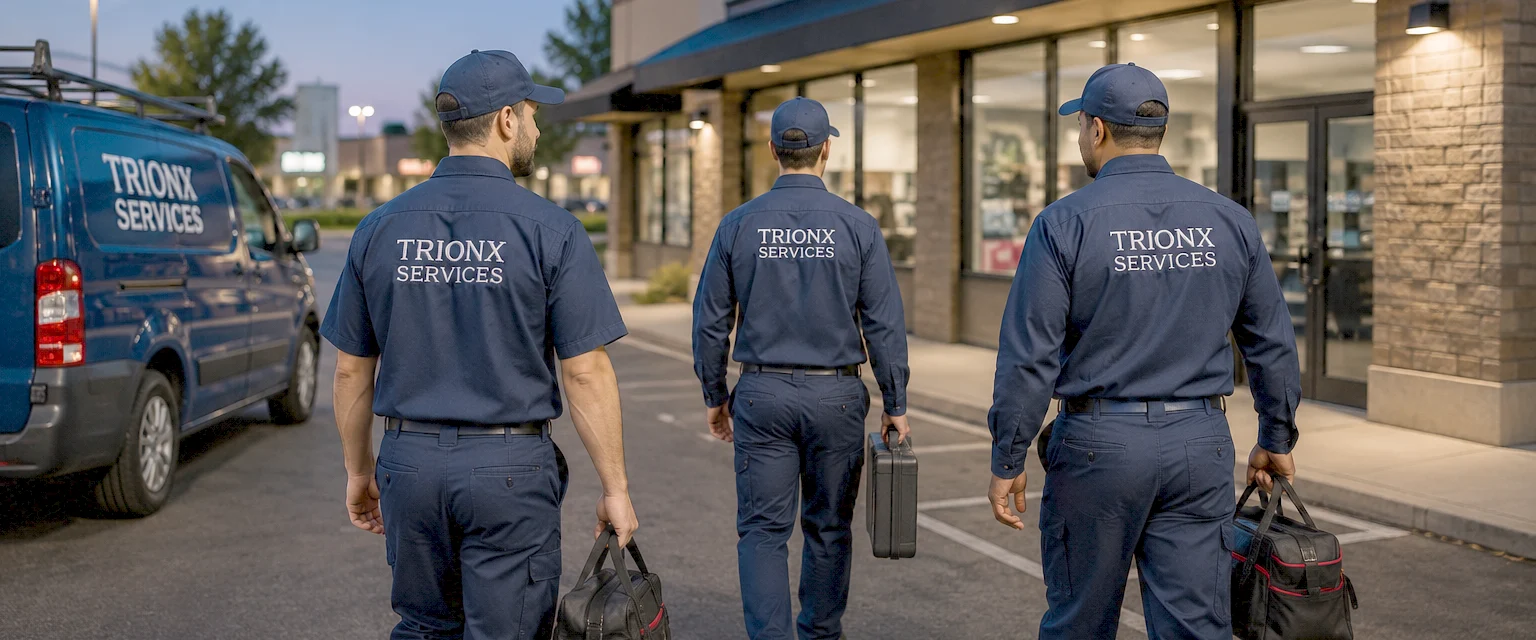

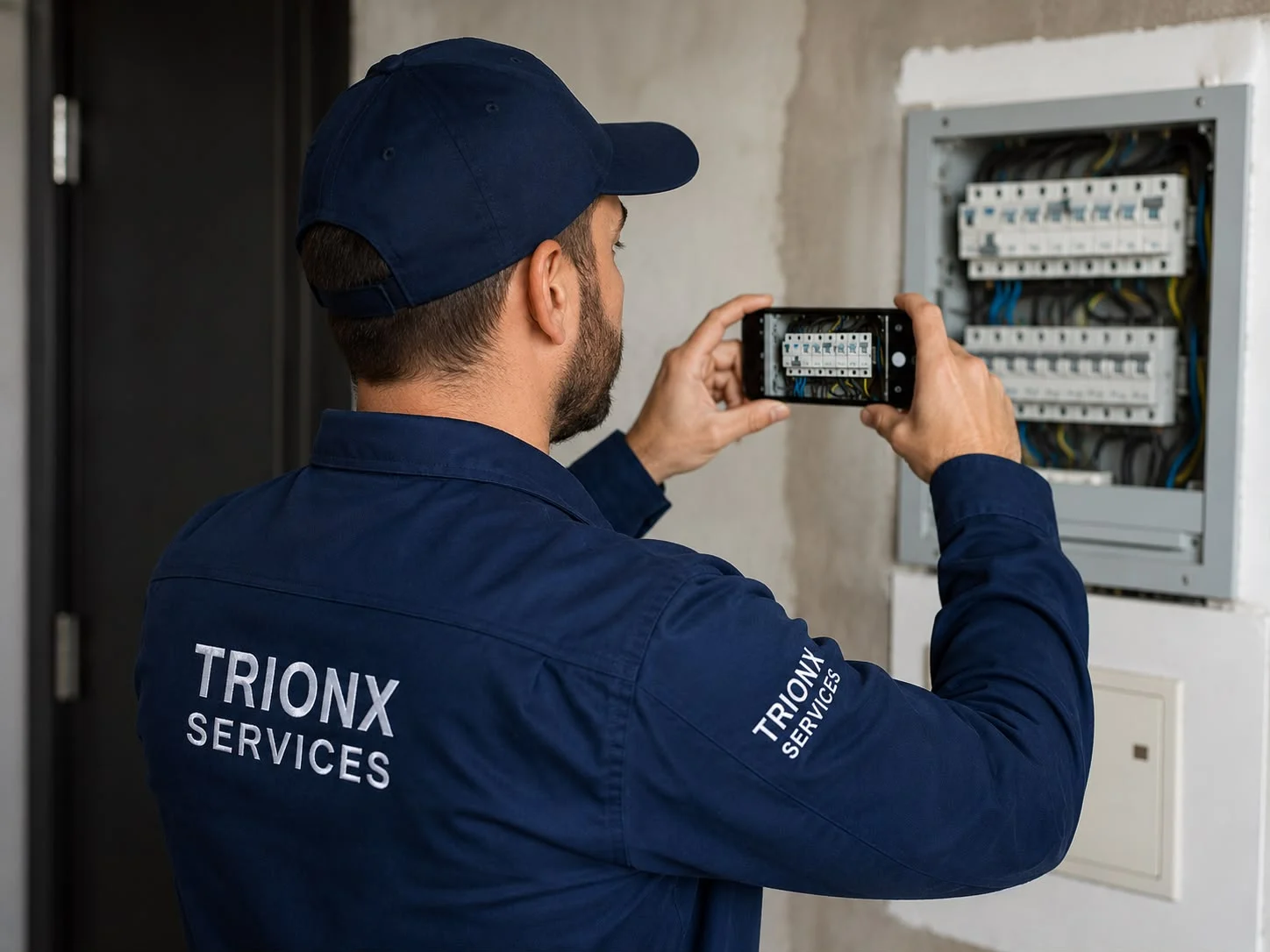


One company, whoever does the work
Our technicians handle the trades that need no state licence, and licensed contractors handle the ones that do. Either way we scope it, book the visit and file the record. Tell us the property and the problem and we will come back with a window.