
Facilities
Writing a punch list a vendor can actually price
A punch list that cannot be priced from the page turns into a survey visit, then a quote, then a work visit. Three attendances for a list that should have taken one.
Every facilities manager writes punch lists and almost nobody is taught how. The result is a document that makes complete sense to the person who wrote it, standing in the building, and very little sense to a technician reading it in a van.
The cost of that gap is real. A list that cannot be priced becomes a survey visit, and a list that cannot be found on site becomes a technician calling you from the corridor.
Locate every item unambiguously
The single biggest improvement available is location. "Door closer broken" describes a fault. "Door closer, second floor, corridor door outside suite 214, north end" describes a job.
Use whatever naming the building actually uses rather than what the drawings say, because the technician will be reading signage and not a floor plan. Where a location is genuinely hard to describe, a photograph solves it instantly.
Describe the symptom, not the diagnosis
This one is counterintuitive. Writing "needs new closer" tells a vendor what to bring and removes the chance of a cheaper answer being found.
Writing "door does not latch, swings most of the way shut then stops" tells them what is wrong, and a competent technician will know that this is a latch speed, a spring or a building pressure question, most of which are adjustments rather than a new unit.
Diagnose in the list only where you are certain, and mark it as your view rather than as fact.
Say how many, and how similar
Repetition changes the price per item substantially. Twelve identical closers is a completely different job from twelve different faults on twelve different doors, and a list that reads as twelve separate lines gets priced as twelve separate jobs.
Group repeats and say so: "six ceiling tiles, all 600 by 600, all in the same corridor" is one line and one price.
Photograph anything visual
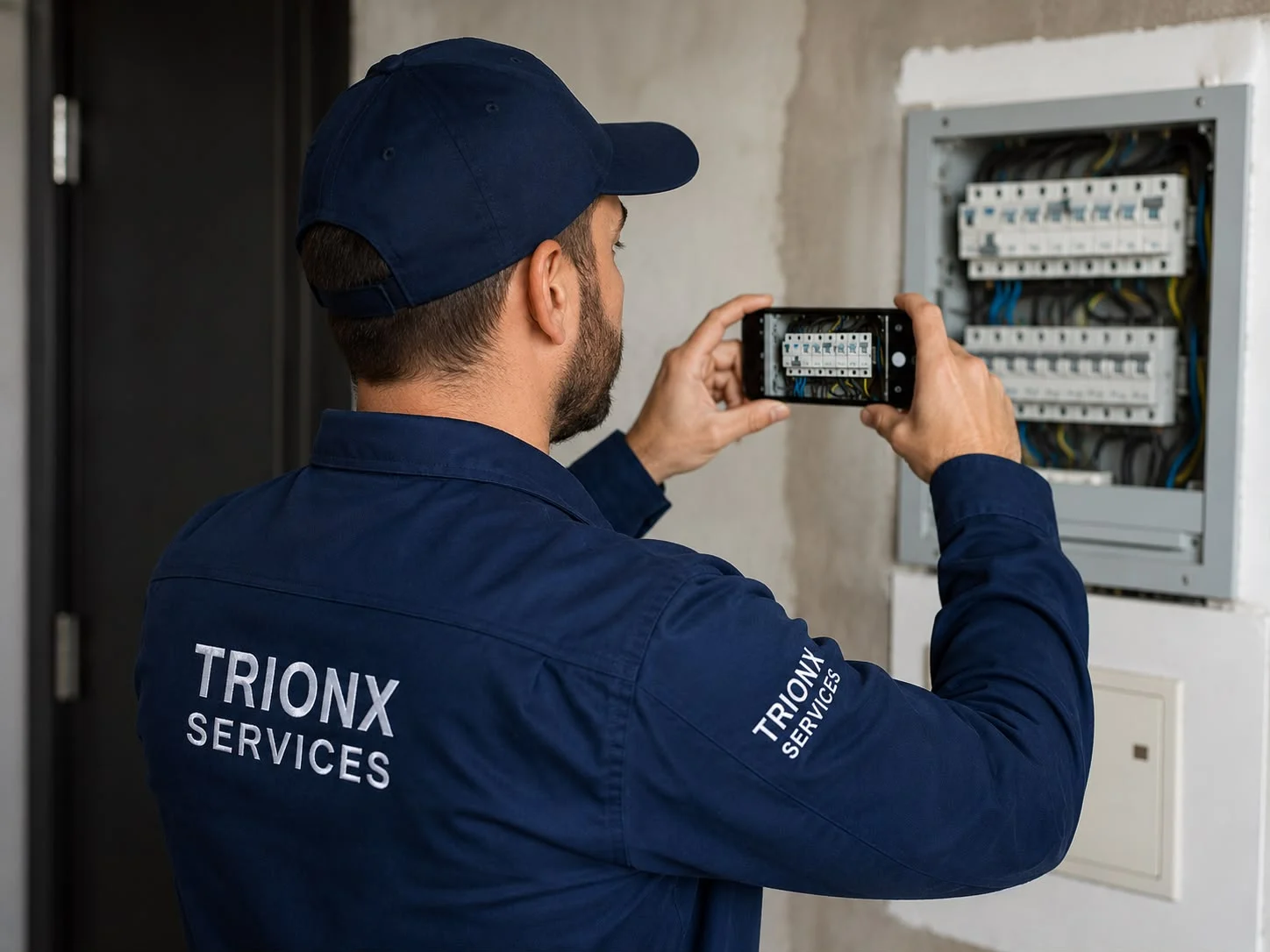
A photograph removes an entire round of questions. Take one of each item, from far enough back to show where it is and close enough to show what is wrong. Two photographs per item is usually right. Name the files by the item number so they match the list.
For anything with a model or a serial, photograph the label. That single habit saves more time than everything else on this page.
State access and timing per item, not per list
Access is where quotes fall apart. A list of twenty items where three need a lift, two need a tenant to be out and one needs the building engineer to open a riser is really four different visits, and the vendor needs to know that before pricing.
Against each item note anything that constrains it: height, out of hours only, tenant access required, key needed from reception, no work during trading. Items with no constraint need no note, which keeps the list short.
Separate what must be done from what should be
Most punch lists mix urgent safety items with cosmetic ones, and everything gets treated as equally important, which usually means the whole list waits for budget.
Three groups is enough. Items affecting safety, security or compliance. Items affecting the tenant or a customer. Items that are presentation. That split lets a vendor sequence sensibly and lets you release the first group immediately.
Name the outcome where it matters
For anything where there is a choice, say what you want to end up with. "Make good and repaint to the nearest corner" is different from "patch and touch in", and both are legitimate. Leaving it unsaid means the cheaper one gets priced and the more expensive one gets expected.
What a good item looks like
Pulling it together, a single line on a well-written list carries six things:
- A number, so it can be referenced in the quote and the closeout.
- A location a stranger can find from the signage.
- The symptom in plain terms.
- Quantity, and whether items are identical.
- Any access or timing constraint.
- Its priority group.
An example: "14. Ground floor, rear service corridor, door to bin store. Door drags on threshold and does not latch. Single item. Access any time. Priority: security."
That can be priced from the page, found without a phone call, and matched to a closeout line afterwards.
Ask for the quote in the same structure
Request pricing against your item numbers rather than as a lump sum. It lets you release part of the list, compare vendors line by line, and check the closeout against what you asked for. A vendor who will not price line by line is telling you something useful.
What we do with a list like that
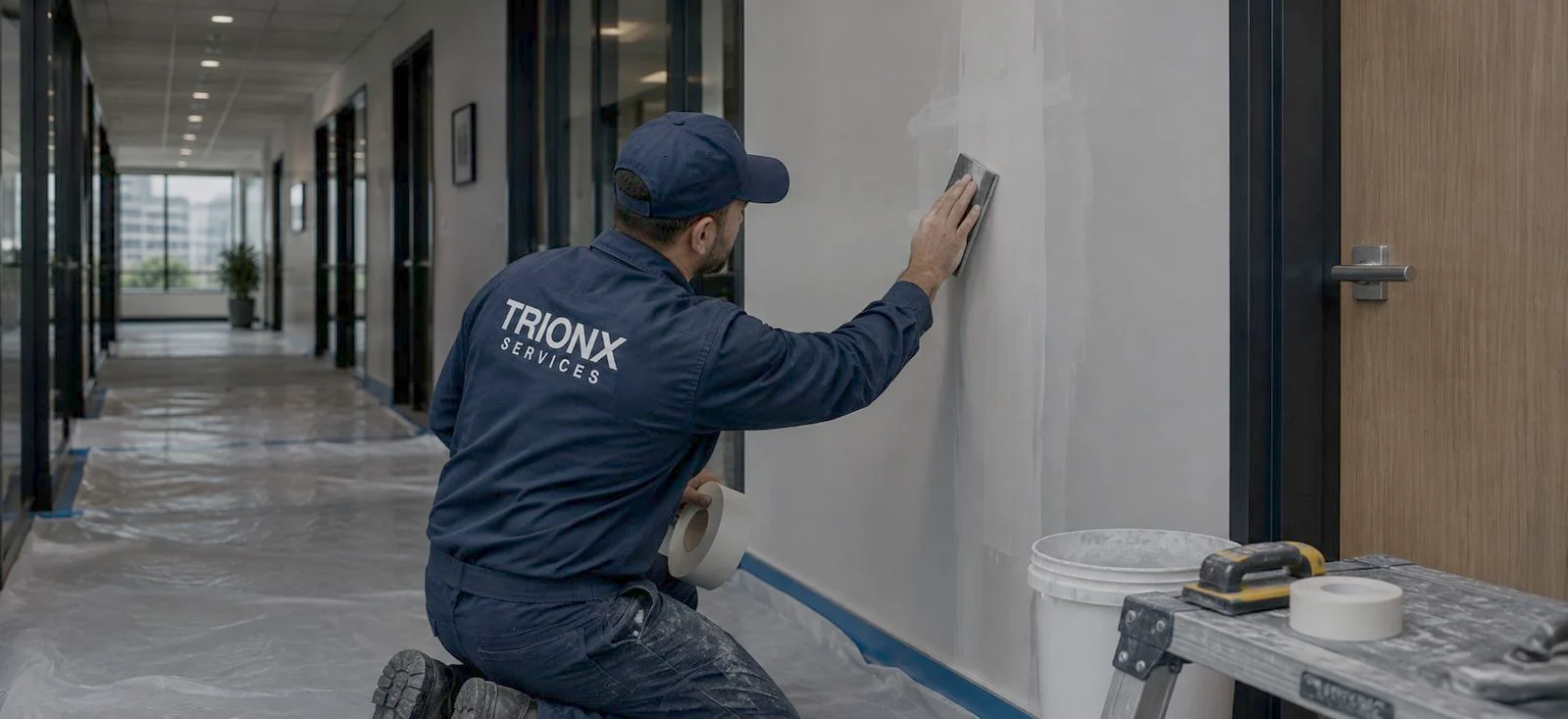
Most punch list work is in-house for us: doors, locks, hardware, drywall, trim, shelving, fixture mounting, tile, painting and relamping, none of which requires a Florida contractor licence. Items that need electrical, plumbing or HVAC work, or that need a permit, get flagged in the quote as coordinated rather than being quietly folded in.
We price against your numbering, return the closeout against the same numbers with photographs, and tell you which items we did not do and why.
Common questions
Questions we get asked about this
What should each item on a commercial punch list include?
A reference number, a location findable from the building signage, the symptom in plain terms, the quantity and whether items are identical, any access or timing constraint, and a priority group. Six fields, one line, priceable from the page.
Should I say what repair I want or describe the fault?
Describe the fault. Writing "needs new closer" removes the chance of a cheaper answer being found, whereas "does not latch, stops short of the strike" lets a technician identify whether it is a latch speed, a spring or a building pressure problem, most of which are adjustments.
Why do vendors re-price punch lists on site?
Usually because location or access was missing. A list of twenty items where three need a lift, two need tenant access and one needs a riser opened is really four visits, and none of that is visible from a list that only describes faults.
Should I ask for line-by-line pricing?
Yes. Pricing against your item numbers lets you release part of the list, compare vendors properly and check the closeout against what you asked for. A vendor who will only quote a lump sum is telling you something useful about how the closeout will look.
Keep reading
Related field notes
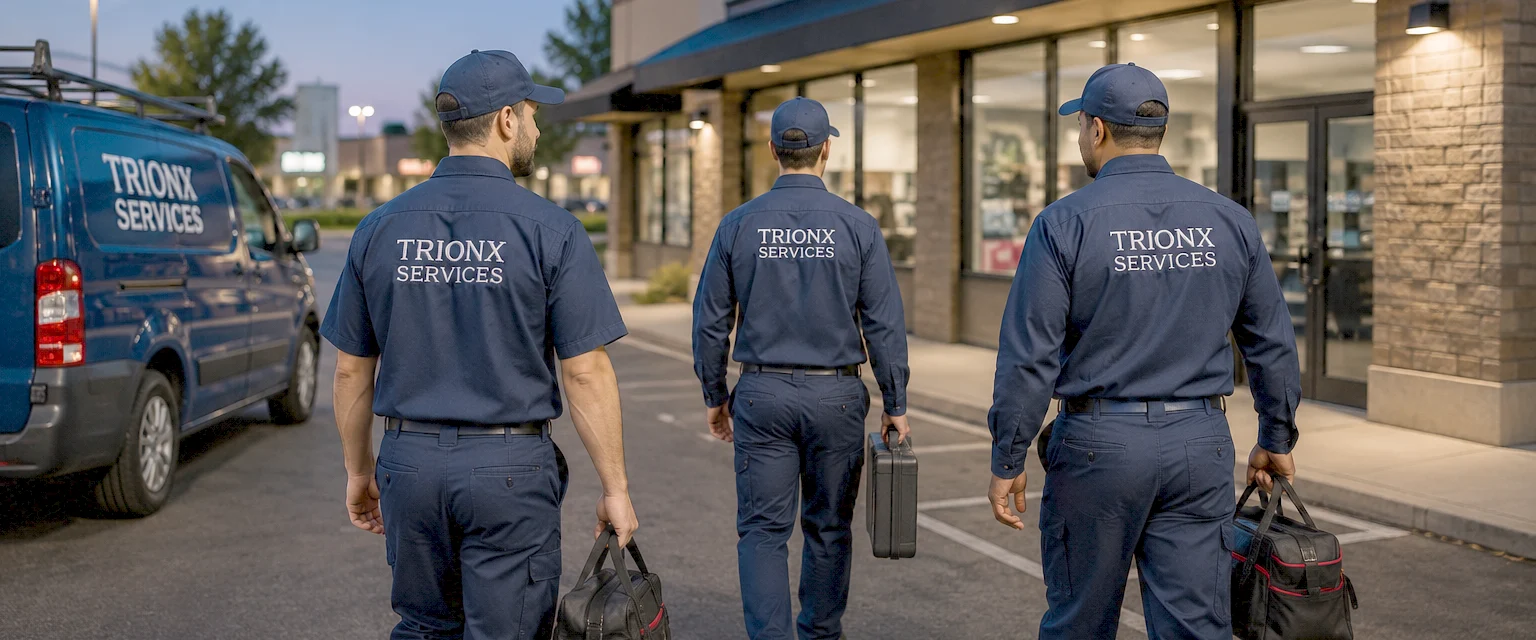
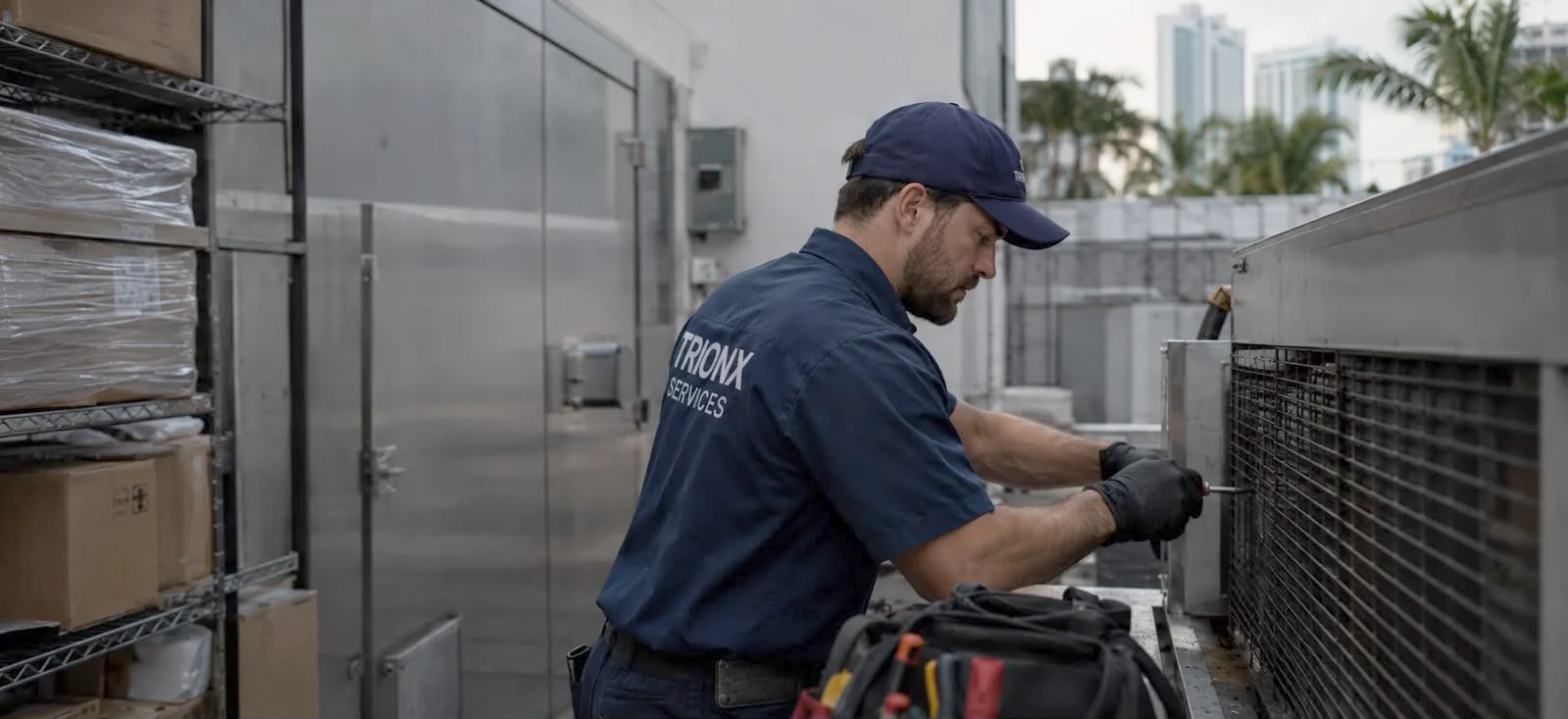
One company, whoever does the work
Our technicians handle the trades that need no state licence, and licensed contractors handle the ones that do. Either way we scope it, book the visit and file the record. Tell us the property and the problem and we will come back with a window.